

A Rich History
Our History
Timeline
Creation of St James's Park
Henry VIII transforms expansive marshland into the official gardens of the Palace of Whitehall.
1532
Royal Menagerie Established
The park becomes home to camels, crocodiles, elephants, and exotic birds, housed within the Royal Menagerie and Aviary. Birdcage Walk is named after this era.
Early
1600s
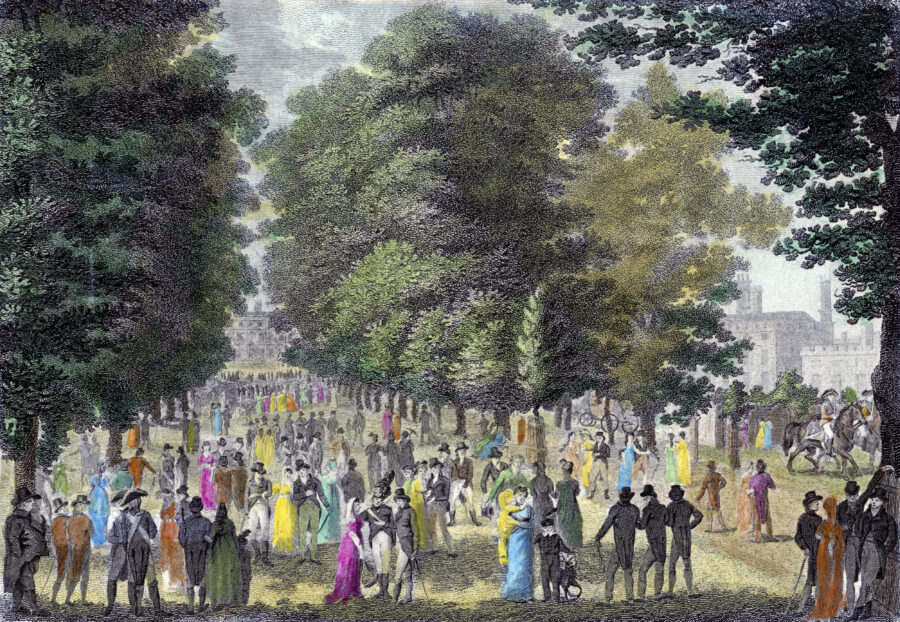
Transformation in the French Style
Charles II redesigns the park in the french formal style, introducing fruit trees, a game reserve, and a three-thousand -foot-long canal. 1664: A number of pelicans are gifted to the park; today, nearly 40 pelicans still call it home.
Mid
1600s
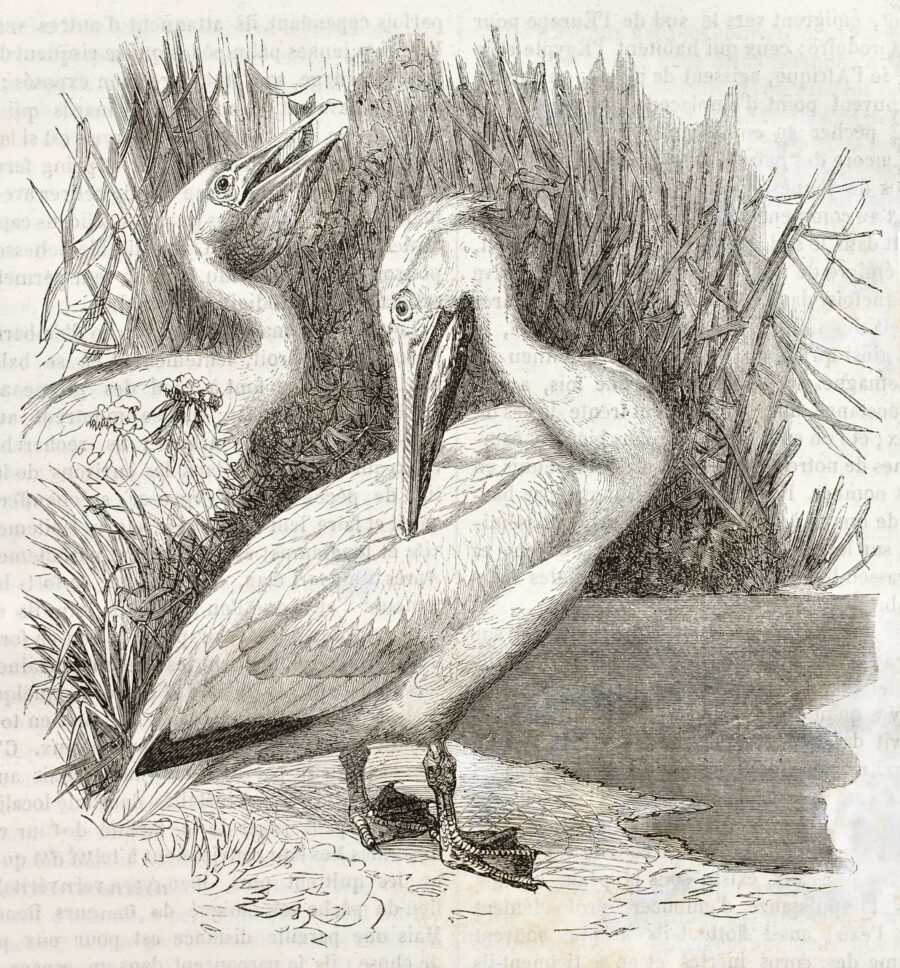
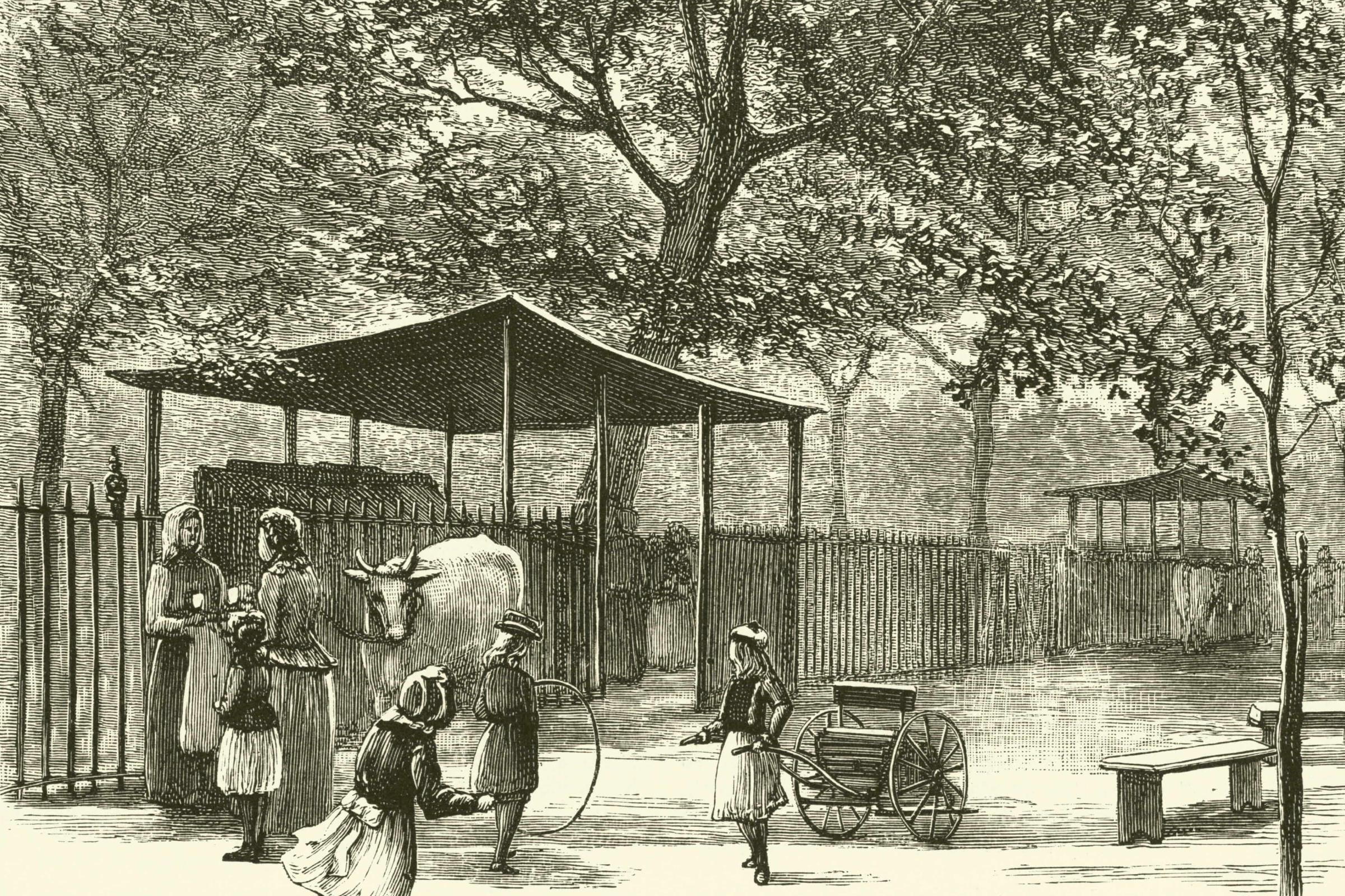
Grazing Lands
Cows begin to graze over the parkland, reflecting its use as a pastoral space.
17th – 18th
Century
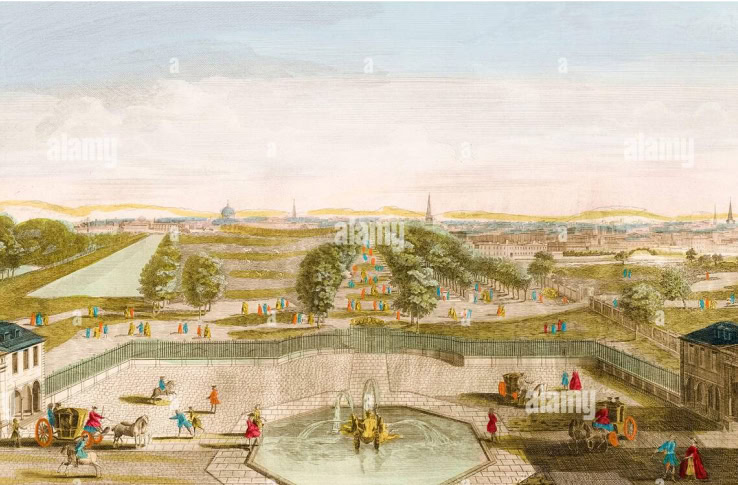
Remodelling of the Park
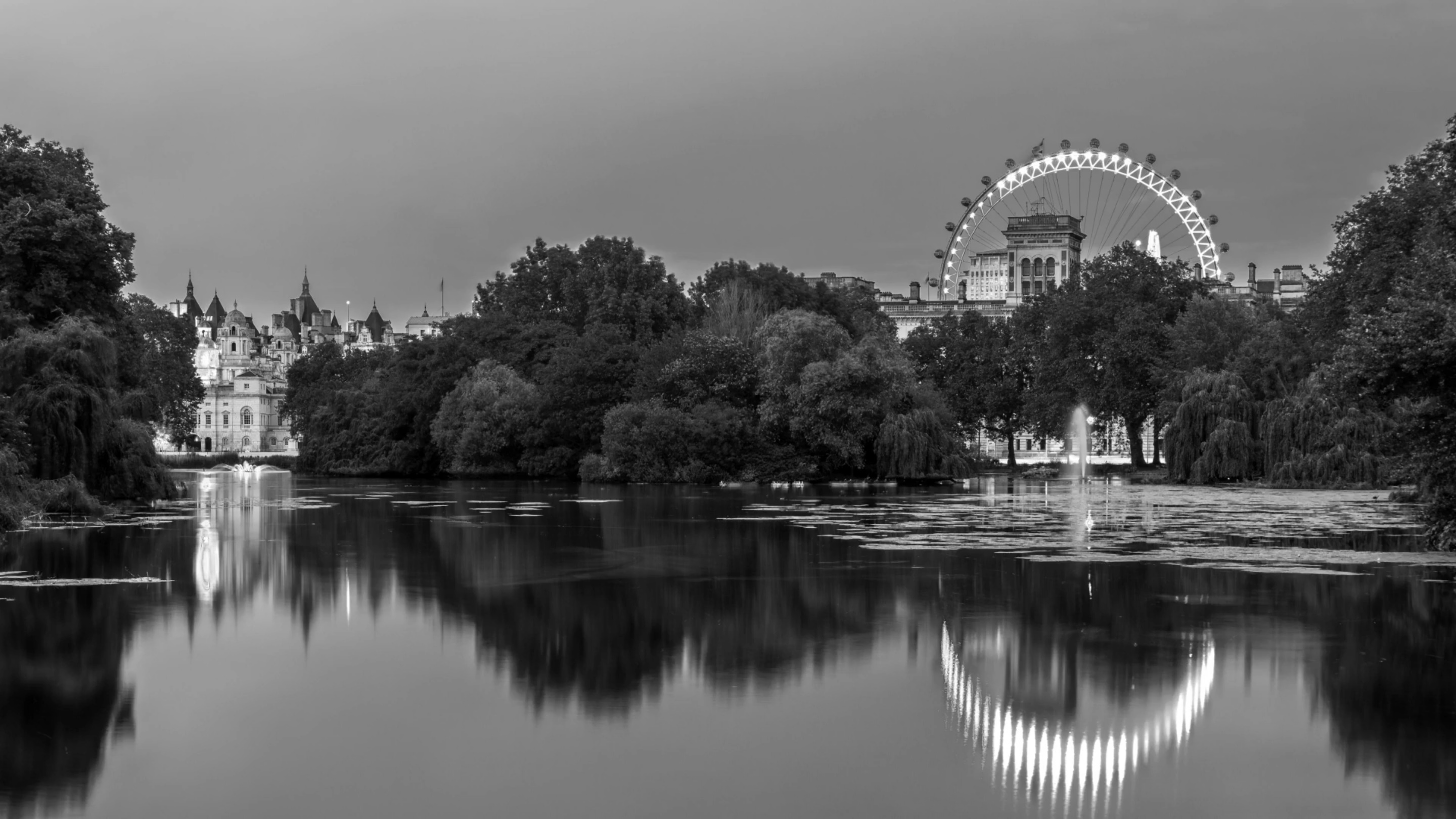
The canal is transformed into a lake, and the straight avenues are reshaped into meandering pathways, giving the park its now more naturalistic, informal appearance.
1826
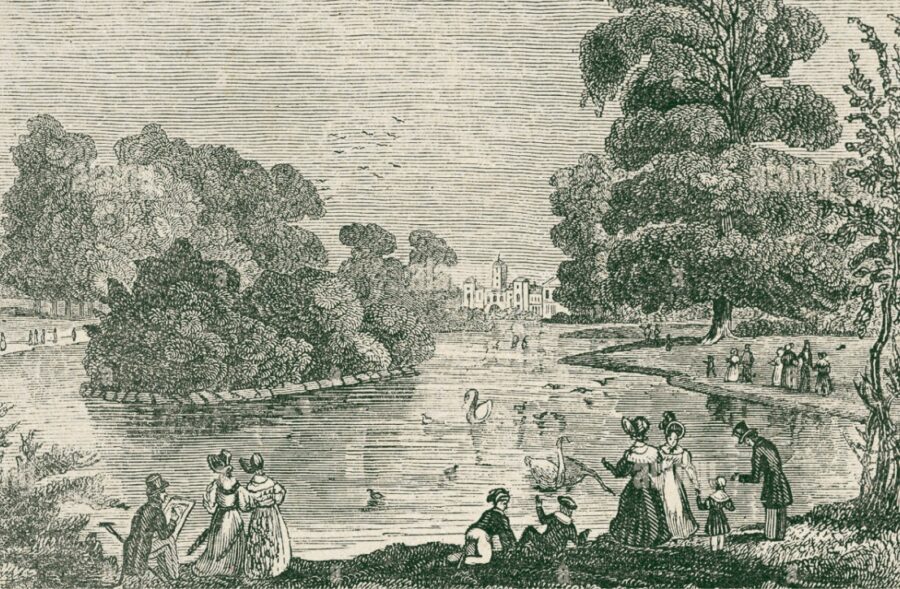
An Ever Changing Location
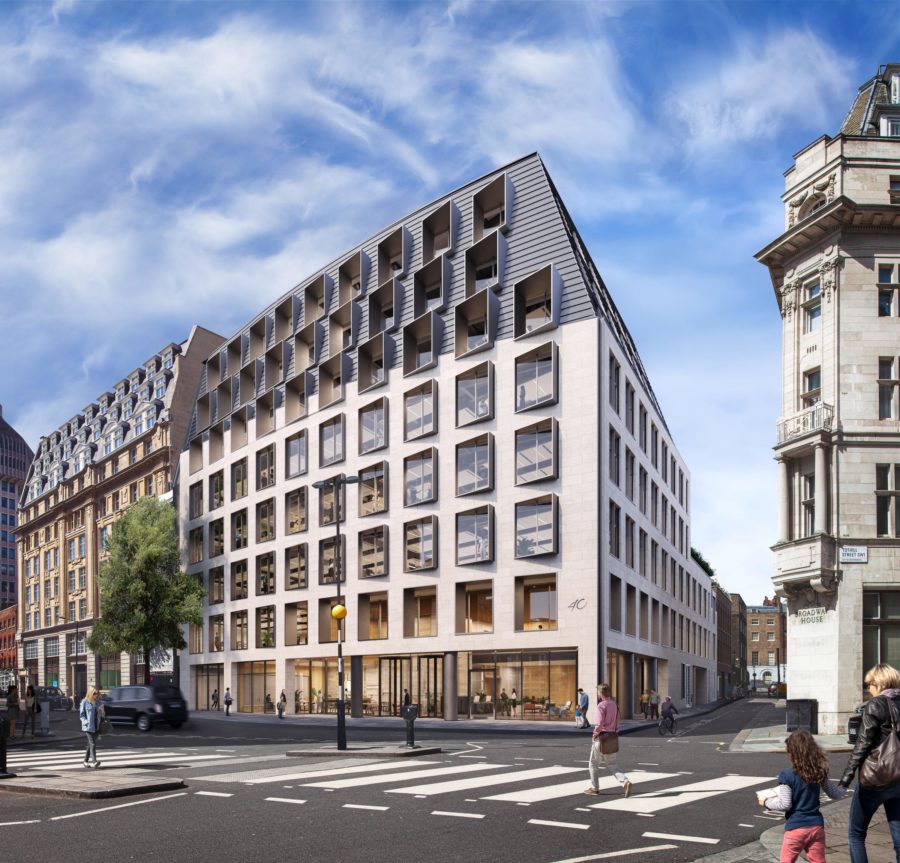
Situated at the park’s entrance and with extensive terracing, 40 Broadway looks onto this thriving space.
Today